It was “Perfectly Adequate on the Final Day” … (PAONTFD: xx/xx/xxxx)
It is “Totally Edible After” … (TEA: xx/xx/xxxx)
It is “Absolutely Delicious for at Least Another Six Months” … (ADFALASM: xx/xx/xxxx)
When the clock strikes midnight… do we really need to chuck it in the bin? At home we wouldn’t, so what can retail businesses do about food waste? Should the Government be looking at this in the same way they do with single-use plastics?
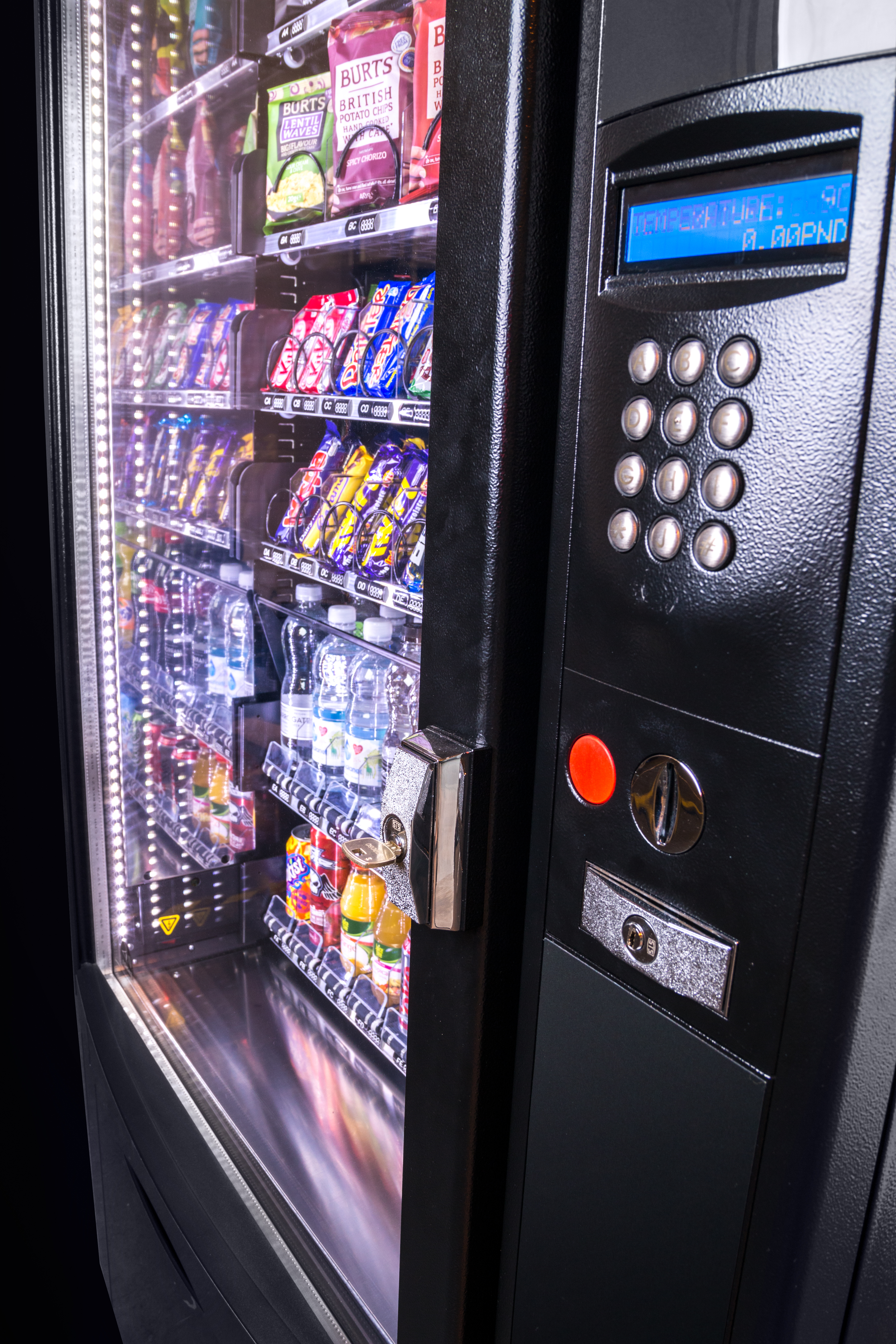
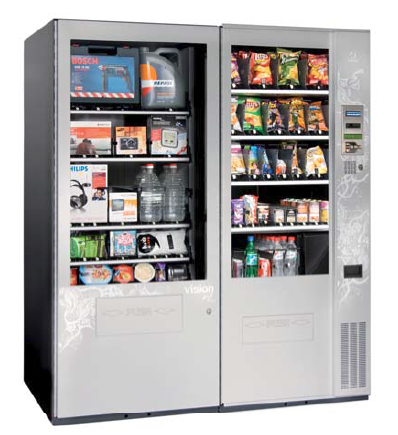
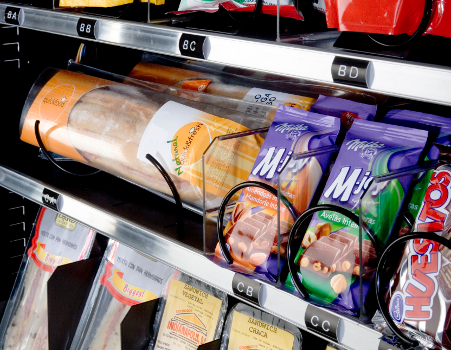
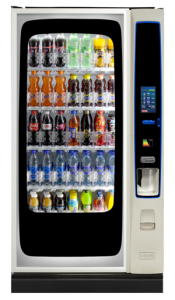
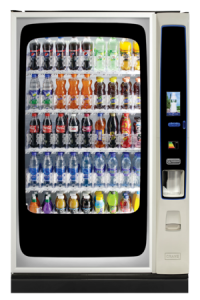
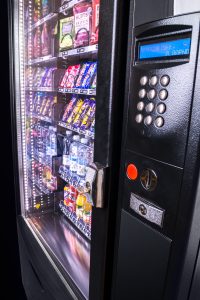
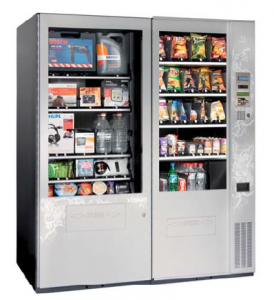
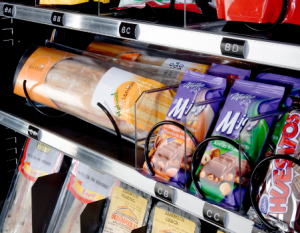
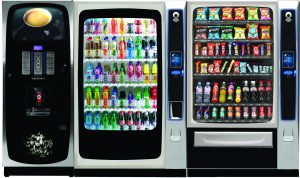
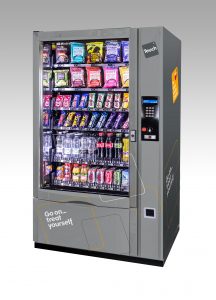
From mid-February, client sites began restricting access to “third-party service providers” and then suddenly, like a tidal-wave, complete access was denied locking literally thousands of snacks and drinks away until June.
It is widely discussed the effect that this pandemic has had, and will continue to have, on the environment. Certainly, we all noticed an improvement in pollution during the lockdown – anyone taking a daily walk couldn’t have helped but notice the clearer views, the quieter evenings and the louder birdsong at dusk and dawn…
Plastic pollution, which we all worried about and took great steps to reduce through 2017 – 2019 has sky-rocketed in 2020 with PPE and Covid – Safe practice.
But one thing that in my opinion needs some serious consideration is food waste and the effect it has on the environment, society and the economy.
I wonder how snack and drinks brands choose to determine their shelf-lives and what the answer is for society in terms of food waste, the cost to the economy and the cost to the environment.
Peter Maddox, Director of WRAP, estimates that, “over a typical year, around half a billion pounds worth of food is likely to be thrown away from homes linked to a Best Before date, that’s 180,000 tonnes.”
How much of that is thrown away along with its plastic packaging? How much of that ends up as landfill?
We haven’t quite ascertained a final figure, but at current estimate, Covid has left our retail business with a waste bill in excess of £3000.
I don’t seek to bemoan the cost of this to our business, or even to discuss the potential lost sales. I simply question whether these products would really have become less than their best in crunchiness or taste had they been consumed days, weeks or even months later.
Certainly, at Touch AR, our kids and their friends have enjoyed a lot of free snacks and drinks!
However, most importantly, we have been delighted to have been able to help those who need it the most and we were able to find two amazing food banks who would take the products – thousands of them – but almost all of the organisations we contacted declined to accept it – and I simply don’t understand why…
I’m not certain what the answer is, and I know that the Government have long debated or considered how they can amend the practice of Best Before dates on non-perishable foods and drinks.
What I do know is that on 15/08/2020, my snack with a BB date of 16/04/2020 was pretty delicious and crunchy and in my humble opinion, all should be thinking about how we can do our bit to reduce food waste like this.
Are you prepared to take a bite at resolving the problem?
http://www.wrap.org.uk/content/best-dates-shouldn%E2%80%99t-be-barrier-redistribution